
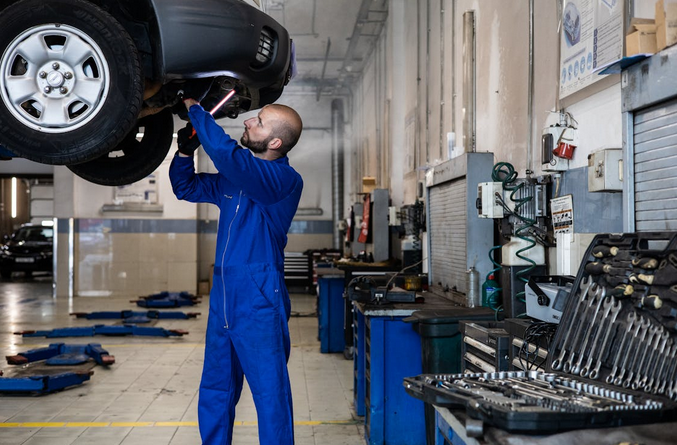
Increasing horsepower is a common goal for automotive enthusiasts seeking improved performance, faster acceleration, and a more engaging driving experience. Engine modifications can enhance power output, optimize efficiency, and allow vehicles to operate at higher performance levels. However, selecting the right modifications requires a clear understanding of how each component affects the engine and the overall system. Careful planning ensures that upgrades are effective, safe, and compatible with the vehicle’s existing setup, providing measurable gains without compromising reliability.
Cold Air Intakes and Improved Airflow
One of the simplest ways to increase horsepower is by improving airflow into the engine. Cold-air intakes are designed to draw in cooler, denser air from outside the engine bay, enhancing combustion efficiency. By increasing the oxygen available for combustion, the engine can produce more power without extensive internal modifications. High-performance air filters and properly sized intake tubing complement this system, reducing airflow restrictions. While these upgrades provide moderate gains, they are often cost-effective and relatively easy to install, making them a popular starting point for enthusiasts.
Performance Exhaust Systems
Upgrading the exhaust system can further improve horsepower by reducing backpressure and facilitating the efficient expulsion of exhaust gases. Performance headers, high-flow catalytic converters, and larger diameter exhaust pipes allow the engine to breathe more freely, increasing power output. Additionally, tuned exhaust systems can enhance torque and improve throttle response. The combination of improved intake and exhaust systems creates a balanced airflow setup, allowing the engine to operate more efficiently and achieve noticeable performance gains.
Forced Induction: Turbochargers and Superchargers

Turbochargers and superchargers are among the most effective modifications for significant horsepower increases. These forced-induction systems compress the air entering the engine, allowing more fuel to be burned and substantially boosting power output. Turbochargers use exhaust gases to spin a turbine, while the engine mechanically drives superchargers. Both systems require precise tuning and supporting modifications, such as upgraded fuel delivery and cooling systems, to ensure reliability and prevent engine damage. When installed correctly, forced induction can dramatically elevate a vehicle’s performance potential.
Engine Tuning and ECU Remapping
Modern engines are heavily reliant on electronic control units (ECUs) to manage fuel injection, ignition timing, and other critical parameters. Engine tuning or ECU remapping adjusts these settings to optimize performance based on specific modifications and driving conditions. Customized tuning can unlock additional horsepower by fine-tuning air-fuel ratios, boost pressure, and ignition timing. This approach is often used in combination with hardware upgrades, such as intake, exhaust, or forced-induction systems, ensuring that modifications work harmoniously to achieve maximum gains.
Internal Engine Upgrades

For enthusiasts seeking substantial and long-term performance improvements, internal engine upgrades may be necessary. Components such as high-performance camshafts, forged pistons, stronger connecting rods, and upgraded valve springs enable the engine to handle increased power safely. These modifications improve engine durability at higher RPMs and under greater stress while enabling more aggressive tuning. Although internal upgrades require more expertise and investment, they provide a foundation for maximizing horsepower and reliability in high-performance applications.
Increasing horsepower involves a strategic combination of modifications that enhance airflow, fuel delivery, combustion efficiency, and engine durability. Cold air intakes, performance exhaust systems, forced induction, ECU tuning, and internal upgrades all contribute to improved power output. Selecting the right modifications based on individual goals, vehicle type, and budget ensures optimal performance gains without …
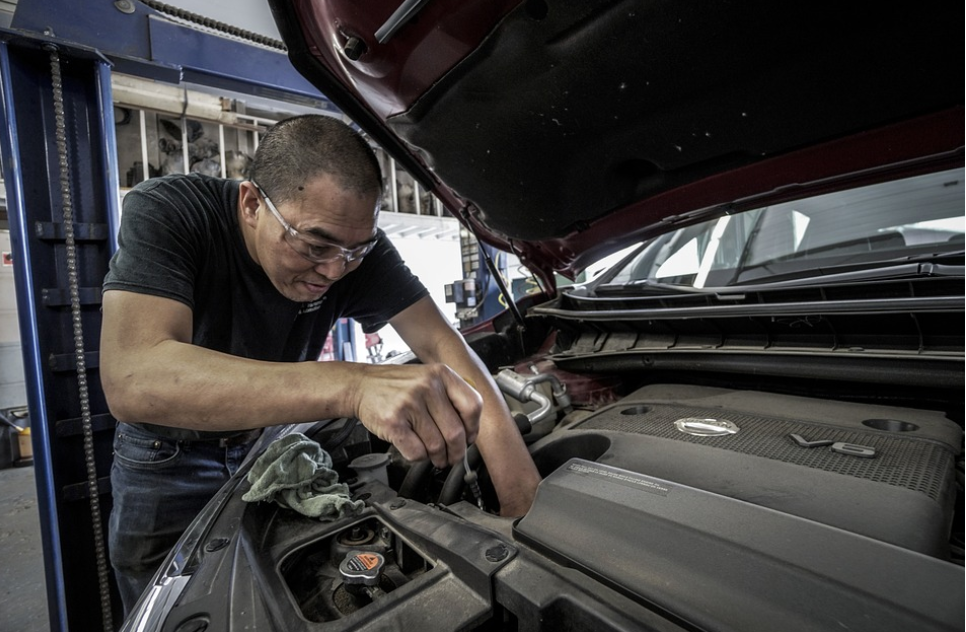 You may have heard the saying “STB” before, but trust me, it’s not a term you want associated with your car’s transmission. Transmission STB (Soiled the Bed) is a nightmare scenario where your transmission fluid becomes contaminated, leading to costly repairs and potential damage to other components. It’s when your car suddenly shudders and jerks. What causes this unfortunate event?
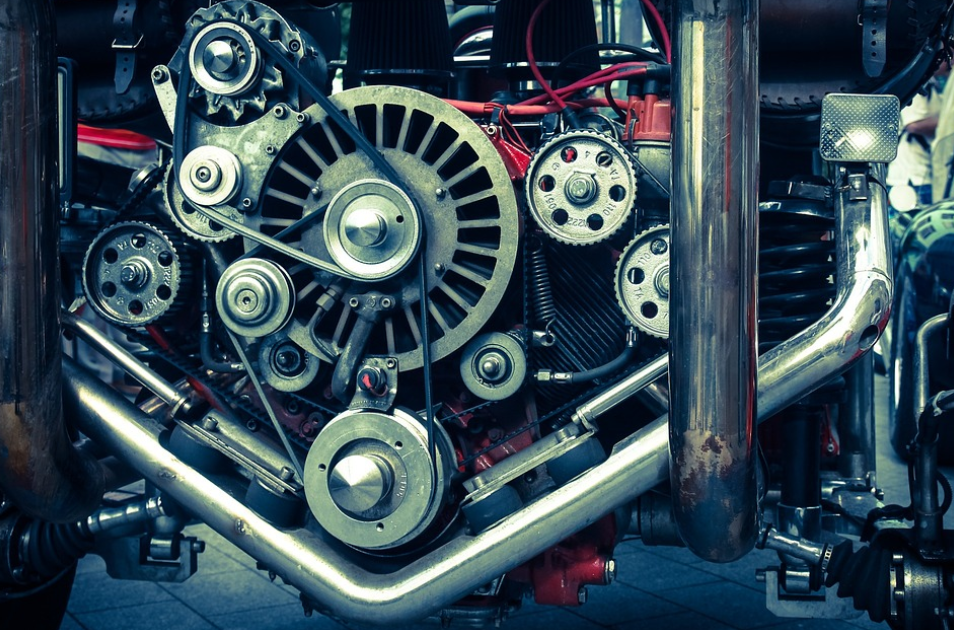 This can be a major headache and a potentially expensive repair. Let me explain. A timing belt is a major component of your vehicle’s engine, responsible for synchronizing the rotation of the crankshaft and camshaft. When it breaks, it can lead to serious damage to your engine, including bent valves or even a complete engine failure.